
Living With Raynaud’s and the Fear of Losing a Finger
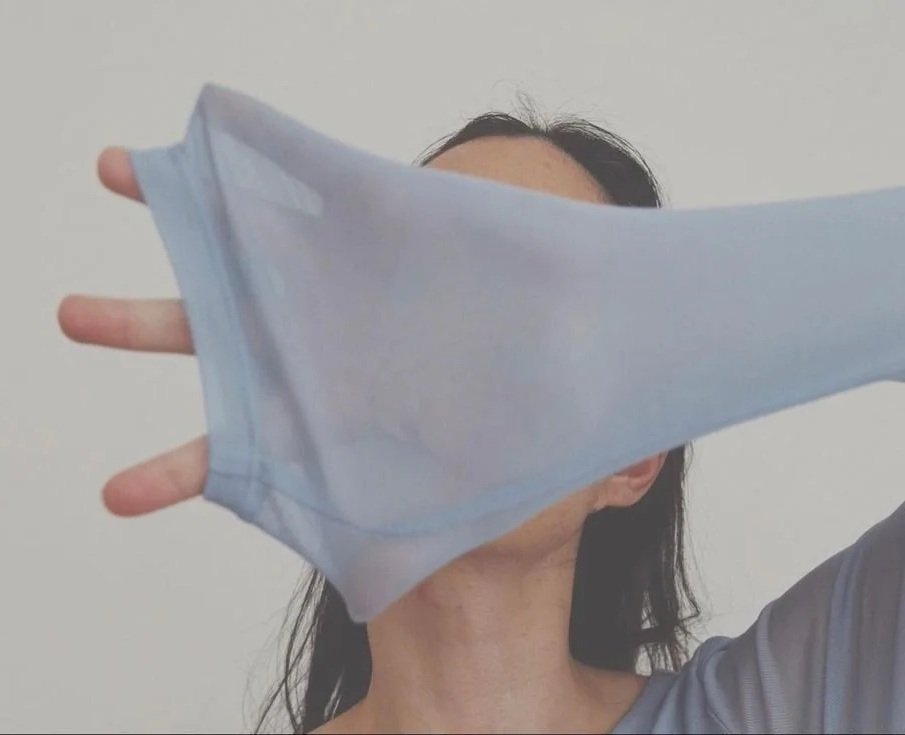
It’s Not Just Cold Hands:
If you’ve ever said, “Oh yeah, my hands get cold too,” I know you’re trying to relate. But Raynaud’s isn’t that.
This isn’t chilly.
This isn’t winter discomfort.
This isn’t solved by gloves and a hot drink.
Raynaud’s is the constant, low-grade awareness that your fingers and toes can simply… disappear on you.
Not emotionally. Physically.
When a flare hits, blood retreats. Color drains. Sensation follows.
What’s left doesn’t feel like part of your body anymore; it feels borrowed, fragile, temporary.
And yes, the fear creeps in quietly but persistently:
What if this time it doesn’t come back?
The Part No One Sees
Living with Raynaud’s means caring for your hands and feet like they’re made of glass.
In every season.
Not just winter.
Not just snow.
Not just “bundle up” weather.
Cold air conditioning.
Early mornings.
Holding a cold mug.
Walking barefoot for thirty seconds.
Peeling potatoes in a room-temperature kitchen.
That last one was my most recent flare.
No ice. No snow. No warning.
Just a quiet task, potatoes on the counter, and suddenly, both middle fingers turned on me. White. Numb. Unusable.
It took ten full minutes for circulation to return.
Ten minutes of dropping things.
Ten minutes of panic pretending to be calm.
Ten minutes of watching my fingers slowly remember who they were supposed to be.
If you’ve never lost sensation in a part of your body while still needing it to function, it’s hard to explain how unsettling that is.
The kitchen became a hazard.
My hands stopped being tools.
My mind went straight to worst-case scenarios.
Again.
The Fear We Don’t Talk About
Raynaud’s is often framed as annoying.
Inconvenient. Manageable. Minor.
But for those of us living inside it, the fear isn’t abstract.
Severe Raynaud’s can lead to tissue damage. Ulcers. In extreme cases, yes, loss of digits .
So when someone laughs it off as “bad circulation,” what they don’t see is the quiet math happening in our heads:
How long has it been numb?
Is it warming evenly?
Why isn’t the color coming back?
Is this the episode that goes too far?
That vigilance never really turns off.
A Body That Requires Constant Negotiation
I don’t get to be careless with my hands or feet.
I plan outfits around temperature.
I avoid certain tasks.
I scan rooms for drafts and vents.
I think twice before touching anything cold, even in summer.
This isn’t dramatic. It’s adaptive.
Raynaud’s teaches you that your body has limits and that ignoring them comes at a cost.
It also teaches you how invisible chronic conditions can be.
How functional you’re expected to remain, even when your body is quietly failing you in small but terrifying ways.
If You Live With This Too
If you’ve ever stood still waiting for color to return,
If you’ve ever hidden numb fingers in your pockets hoping no one notices,
If you’ve ever felt ridiculous for being scared (while also being genuinely afraid)
You’re not exaggerating.
You’re not weak.
And you’re not alone.
This isn’t just about cold hands.
It’s about living with a body that asks for constant care and the emotional weight of knowing what’s at stake if you don’t provide it.
And some days, peeling potatoes is enough to remind you of that.
x Kristin
Prevention & Lifestyle
Dress Warmly: Layer clothing, wear mittens (warmer than gloves), hats, and warm socks, even indoors or in summer when AC is cold.
Avoid Triggers: Stay away from sudden temperature changes, stress, nicotine (smoking/vaping), and limit caffeine.
Manage Stress: Practice relaxation techniques like deep breathing, yoga, or meditation
.
Exercise Regularly: Boosts circulation and helps manage stress; warm environments are best, but dress appropriately for outdoors.
Warm Drinks: Sip warm beverages like tea to help raise internal body temperature.
Quit Smoking: Nicotine constricts blood vessels and worsens symptoms.
During an Attack (Attack Management)
Get Warm: Move to a warm place immediately.
Warm Water: Run hands/feet under warm (not hot) water; test the temperature with your forearm first.
Movement: Wiggle fingers/toes, or swing arms in circles to encourage blood flow.
Warm Armpits: Place your hands under your armpits.
Massage: Gently massage hands and feet.
Hand Warmers: Use chemical hand warmers in gloves or mittens.
When to See a Doctor
If symptoms are severe or you develop sores/ulcers, a doctor may prescribe medications like calcium channel blockers (e.g., nifedipine) to improve blood flow.
