Seasonal Affective Disorder And Its Quieter Sister

When a well-meaning friend says, “It’s probably just the winter blues,” but your body knows it’s something heavier.
Every winter, the same conversation shows up like clockwork: Seasonal Affective Disorder. Less light. Shorter days. Lower mood. A real biological response with research, data, and an acronym that sounds tidy enough to explain everything.
And yes, SAD is real.
But I want to talk about its quieter sister.
The one that doesn’t come with a diagnosis code, a checklist, or a clear explanation you can hand to someone else so they stop asking questions.
Circumstantial depression.
They’re not the same thing.
But they often live in the same house.
Seasonal depression has a physiological rhythm: light exposure, circadian disruption, serotonin, melatonin. Circumstantial depression is more narrative-driven. It’s what happens when life stacks too much at once and never really un-stacks it—caregiving, loss, illness, isolation, identity shifts, money stress, or just existing in a season that keeps demanding more than you have left.
Winter doesn’t create all of that.
It just amplifies it.
Less light doesn’t cause everything, but it removes one of our stabilizers. And if you’re already carrying grief, responsibility, or exhaustion, that loss of light can feel less like a cause and more like the final straw. To be very honest with you, with carrying grief from this past summer, I was feeling apprehensive about the colder months approaching. That’s why I flinch a little when we rush to label every winter low as a disorder, or dismiss it as “just the season.”Sometimes what you’re feeling isn’t pathology. It’s context. And context matters here.
Circumstantial depression doesn’t mean there’s something wrong with you. It means your nervous system has been doing too much for too long, often without witnesses or relief. This is where I see SAD and circumstantial depression not as competitors, but as sisters. One biological. One situational. Both asking for the same thing: support, not shame.
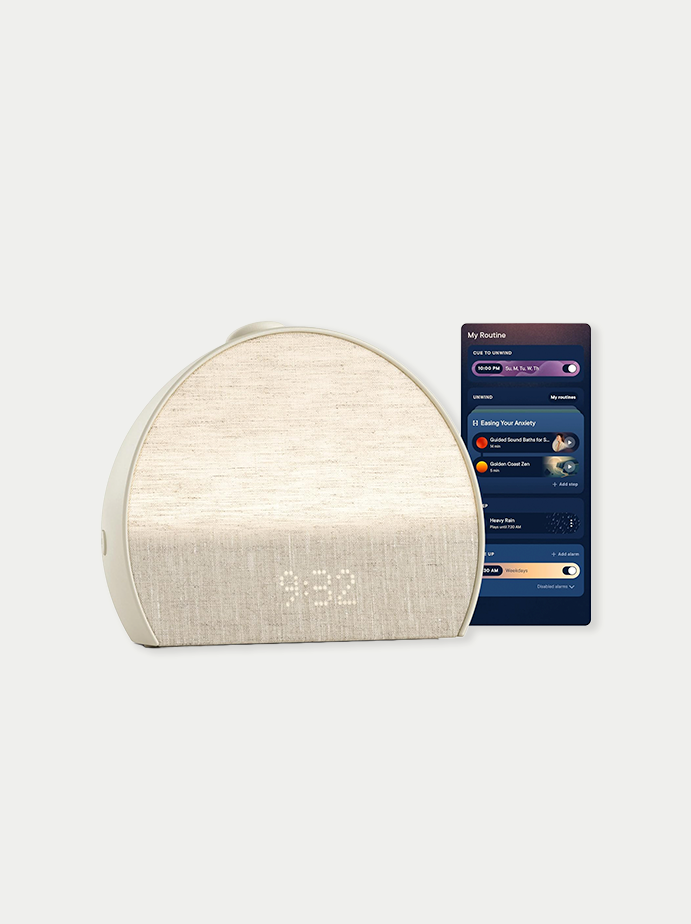
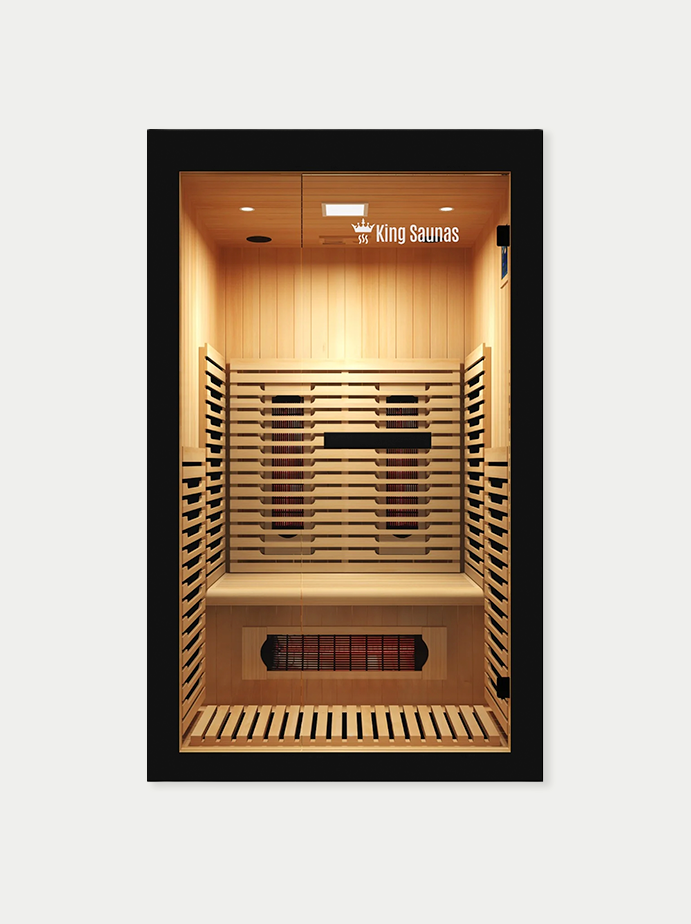
Light therapy can be genuinely helpful here. Not a cure-all. Not a promise. Just a practical act of environmental kindness, especially if your days start before the sun shows up or end long after it disappears. I’ll link a few light therapy options below that I trust and personally consider useful, if that feels supportive rather than prescriptive.
But light alone won’t fix a life that’s been asking you to be resilient on repeat.
Sometimes the work is quieter:
Letting winter be slower without calling it failure
Naming fatigue without needing a diagnosis to justify it
Using support tools without expecting them to “fix” you
If you feel heavy this season, it doesn’t automatically mean you’re clinically depressed. And it doesn’t automatically mean you’re not (a Doctor, I am not). But I do believe both truths can exist at the same time.
SAD and circumstantial depression can sit side by side. Just two sisters moving through the same dark months, each deserving care, nuance, and a little gentleness.
And if light helps, we welcome it.
If rest helps, even better.
If neither solves everything, that’s not a personal flaw.
It’s winter.
And winter asks different things of us.